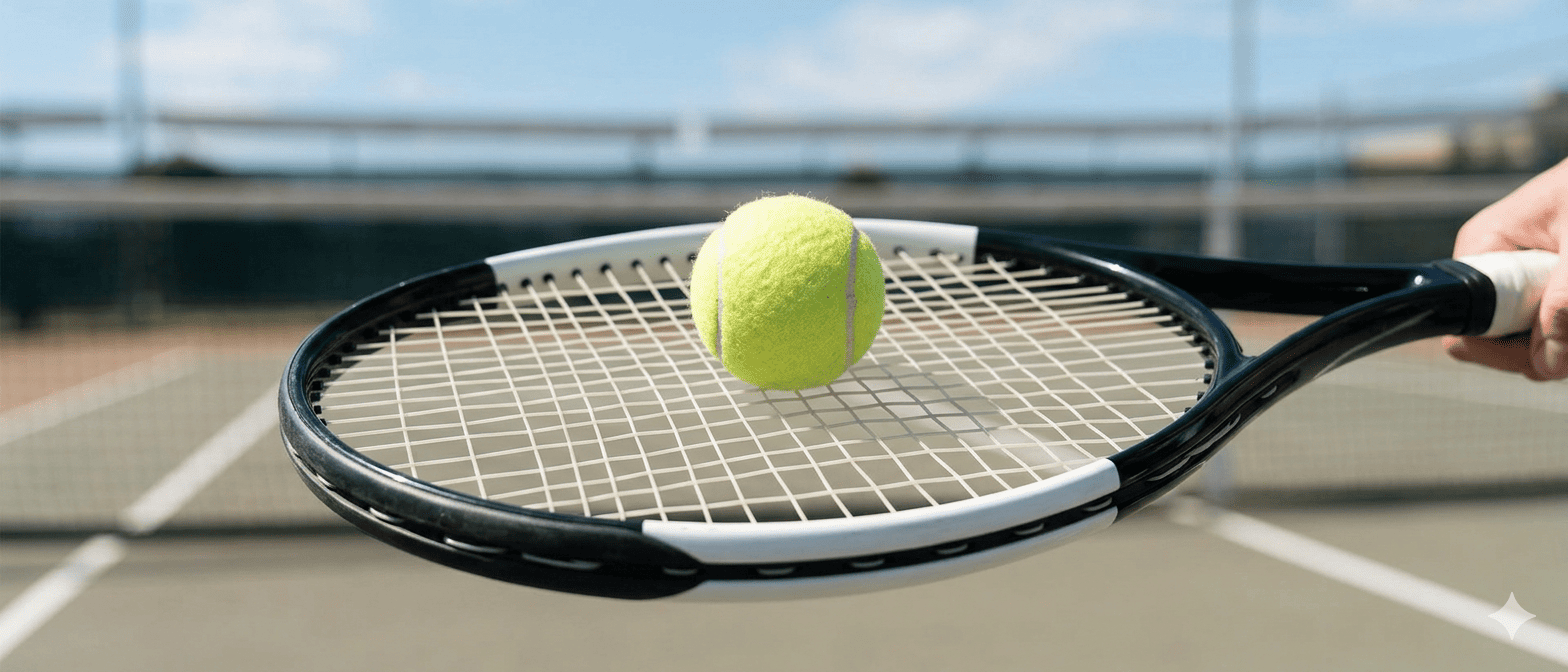
Tennis is a global sport cherished for its unique blend of physical fitness, strategic depth, and social connection. Whether you are a casual player or a dedicated spectator, the “sport for a lifetime” offers something for everyone.
A Journey Through Time: The Origins of Tennis
While some theories suggest ancient Egyptian roots, most historians trace tennis to 11th-century France.
- Early Beginnings: Monks originally played jeu de paume (“game of the palm”) by hitting a ball with their bare hands against monastery walls.
- Evolution of Equipment: Protective gloves eventually gave way to wooden bats and, by the 16th century, stringed rackets.
- The Modern Game: “Lawn tennis” was popularized in 19th-century England. Major Walter Clopton Wingfield is credited with standardizing rules and equipment in 1873.
- A Royal Pastime: History notes that King Louis X of France passed away following an intense match in 1316.
Understanding the Basics: How to Play
Tennis is played on a rectangular court divided by a net, either in singles (1v1) or doubles (2v2).
The Unique Scoring System
Tennis uses a distinct scoring progression:
- 0 Points: “Love” (possibly from the French l’oeuf for “egg,” representing zero).
- 1st-3rd Points: Scored as 15, 30, and 40.
- Deuce: A 40–40 tie. A player must win two consecutive points from deuce to win the game.
- Sets and Matches: A set is typically won by the first to six games (with a two-game lead). Matches are generally “best of three” or “best of five” sets.
Basic Rules
- The ball must be hit over the net and within court boundaries.
- The ball can bounce only once on your side before it must be returned.
- Players cannot touch the net or step over it during play.
Why You Should Play: Health and Wellness
Tennis is widely regarded as one of the best sports for long-term health.
- Physical Power: A single hour-long match can involve running up to 5 miles and burning around 600 calories. It improves aerobic fitness, bone density, and muscle tone.
- Mental Agility: Players must constantly analyze angles and strategy, which enhances cognitive function and problem-solving skills.
- Emotional Well-being: Regular play is linked to lower levels of stress, anxiety, and depression. It also fosters social interaction and builds resilience.
Gear Up: Essential Equipment
To get started, you only need a few key items:
- Racket: Beginners should look for lighter rackets with larger “heads” for a bigger sweet spot.
- Tennis Balls: Yellow balls were introduced at Wimbledon in 1986 to make them easier for TV spectators to see.
- Footwear: Proper tennis shoes are vital for stability and to prevent injury during quick lateral movements.
The Professional Stage: Grand Slams
The pinnacle of the sport consists of the four Grand Slam tournaments:
- Australian Open: Held in Melbourne (Hard court).
- French Open: Held in Paris (Clay court).
- Wimbledon: Held in London (Grass court); the oldest and most prestigious.
- US Open: Held in New York City (Hard court).
Are you more interested in learning the technical drills to improve your game, or would you like to know more about the legendary rivalries in professional tennis history?